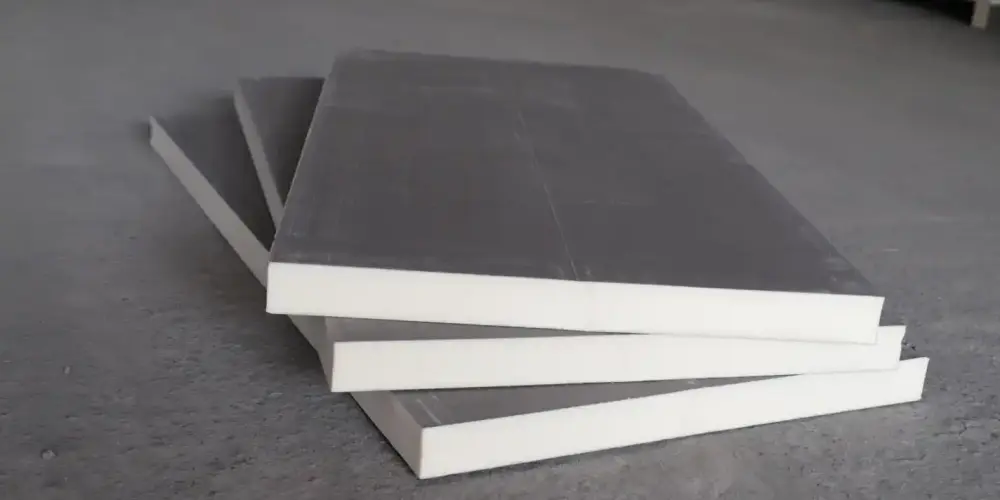

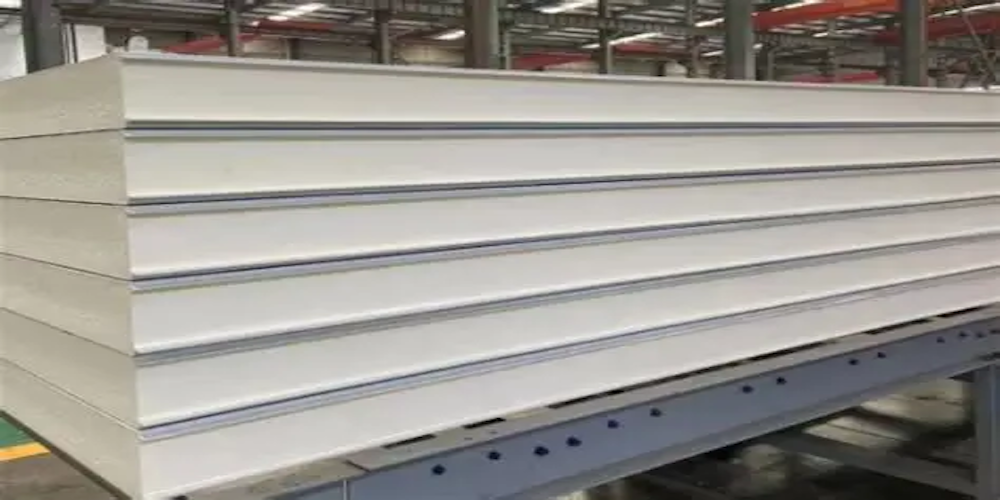
If your factory production line is running at full capacity, yet when you cut open the panel, what you see is not uniform off-white or light yellow foam, but striking dark red, brown or even charred black foam — this is what we commonly refer to as "core burning" in the polyurethane industry.
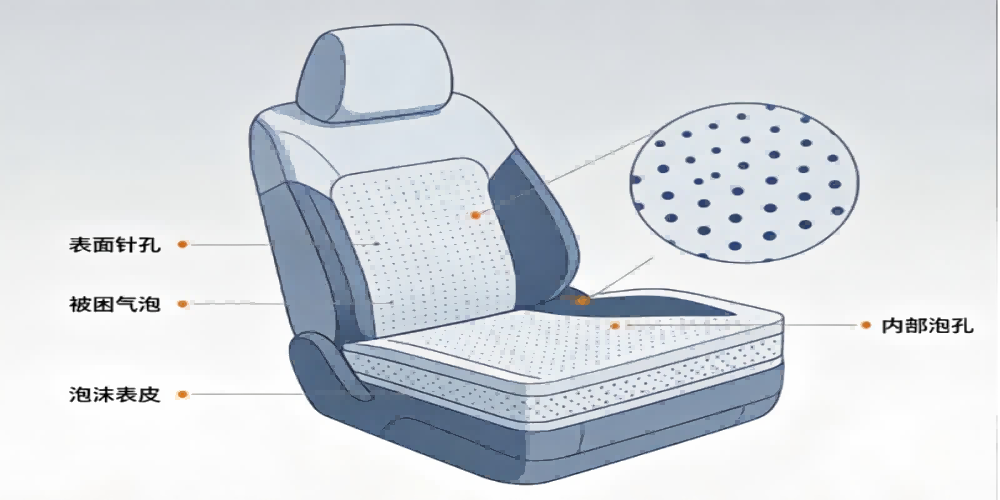
During the production of car seat foam, tiny pinholes often appear on the surface, which is a common defect in the industry. This issue doesn’t affect the foam’s internal rebound, but it can ruin the smoothness of the surface, causing defects in later covering or painting processes, and directly lowering product yield. The main cause of pinholes is that the foam cures faster than the gases can escape, trapping air and reaction gases in the surface layer, which then harden into tiny holes. This usually happens at four key process points.
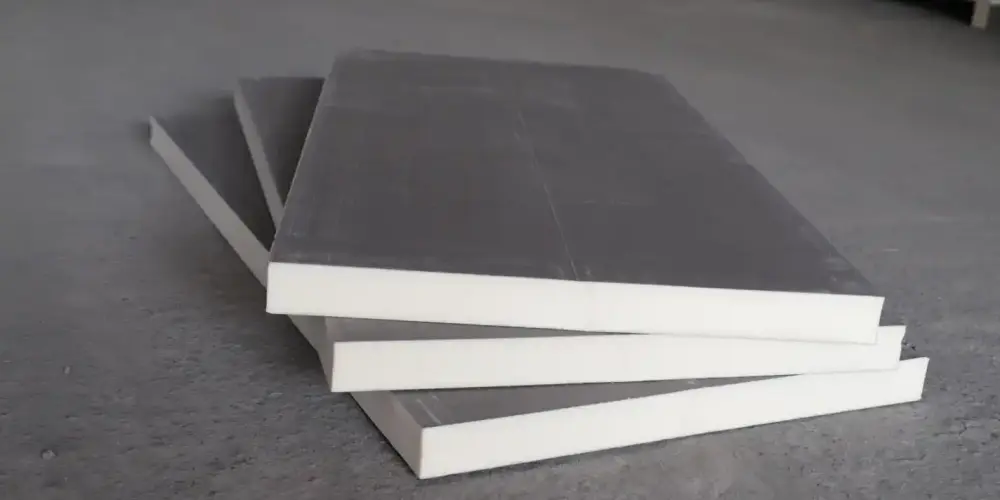
In continuous production of polyurethane (PU) sandwich panels using pentane as the blowing agent, the foam density is never perfectly uniform across the width. The core (middle) and the edges (near the metal conveyor belts) naturally differ. Under normal conditions, an edge to core density ratio of 1.1 – 1.2 is acceptable. However, when this ratio exceeds 1.3 (i.e., edges are 30% heavier than the core), serious quality issues arise – warping, waviness, edge delamination, and poor adhesion. So, why does this higher than normal density differential occur, and what can we do about it?
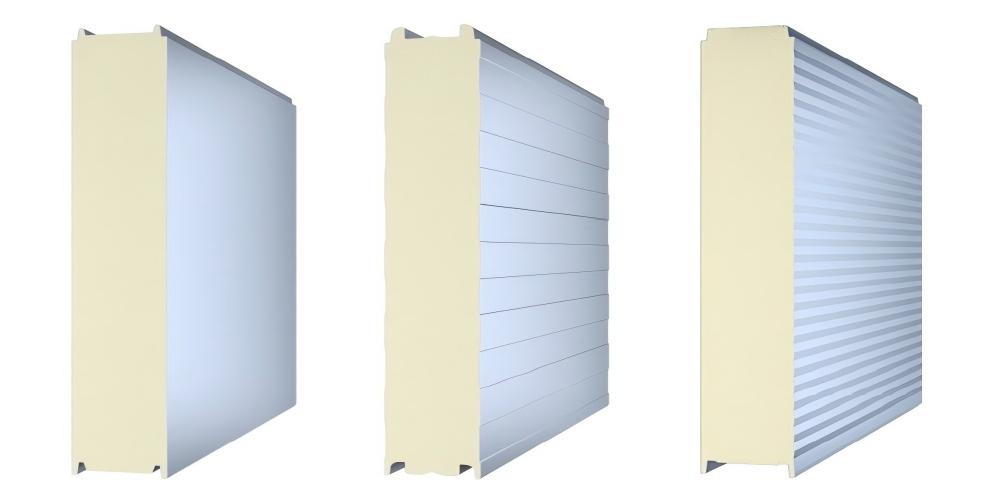
Nowadays, there’s a growing demand for polyurethane sandwich panels in the industrial system. They have excellent insulation performance when used in cold storage projects. Today, let’s talk about the differences between PIR and PUR polyurethane sandwich panels.
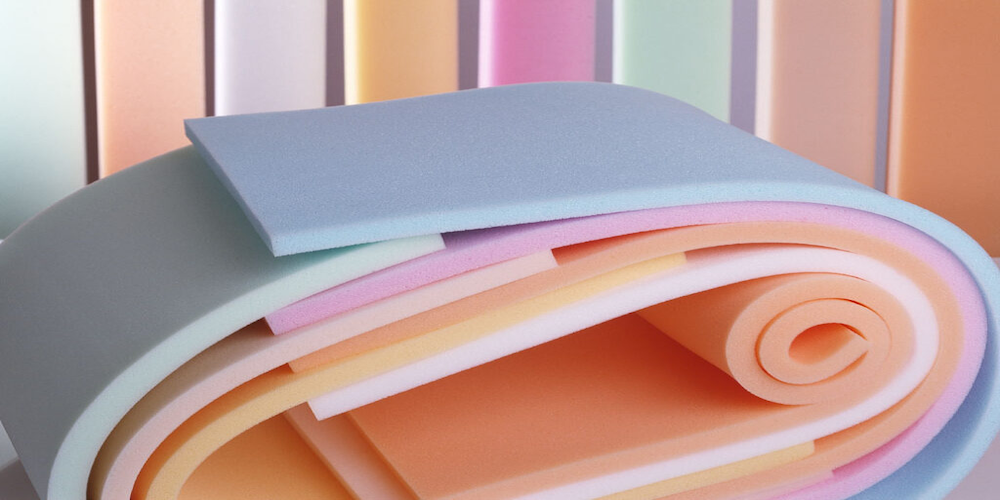
For many manufacturers and consumers, lingering, pungent odors in flexible polyurethane foam products are a persistent frustration. Standard practices like ventilation and sun-drying often fail to eliminate these smells, leading to widespread misperceptions that it is simply an unavoidable, slow evaporation process.In reality, over 90% of flexible foam odor issues stem from inadequate control during production. The root causes are overwhelmingly concentrated in three core processes: raw material selection and formulation, the foaming reaction itself, and post-curing treatment. By implementing targeted corrective measures in these areas, manufacturers can dramatically improve product quality and odor compliance.
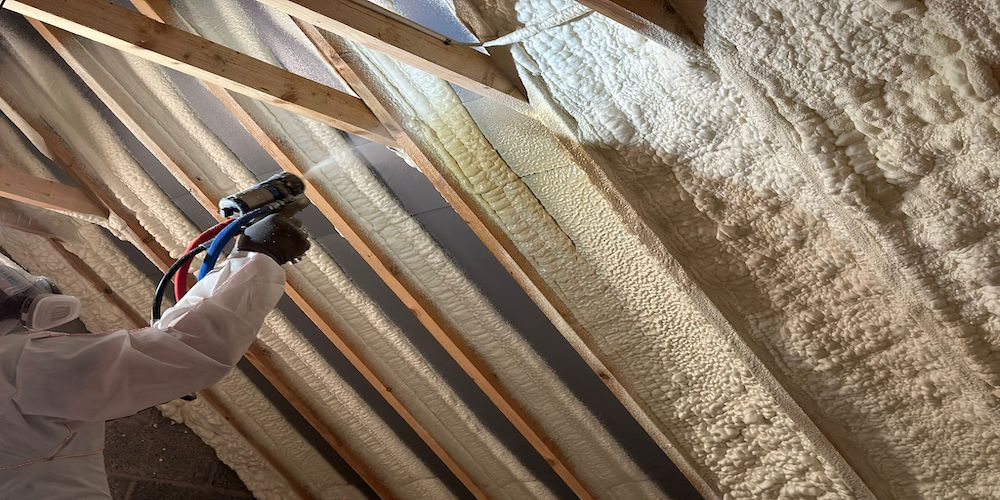
Starting from July 1, 2026, HCFC-141b blowing agent will be completely banned for spray polyurethane foam. As HFC-245fa/water become the mainstream blowing system, new technical challenges have emerged. Based on the practical experience of our construction technical team, we have summarized the 10 most common defects of spray polyol systems formulated with HFC-245fa, along with corresponding solutions:

With the gradual phase-out of HCFC-141b, pentane has gradually become a mainstream blowing agent in the continuous panel industry.What problems will be encountered during the production of continuous PUR panel using pentane as the blowing agent?Let us take a look at the common defects and corresponding solutions.
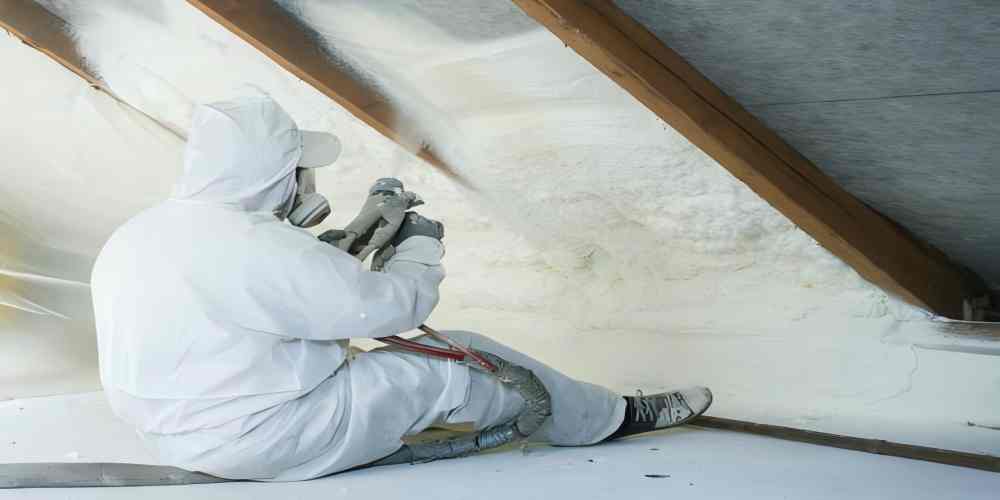
In polyurethane foam production, the mixing effect directly determines the quality and performance of the foam. Just like in traditional Chinese medicine, where diagnosis involves 'looking, listening, questioning, and palpating,' experienced operators can quickly assess the mixing state of the foaming machine through sensory perception and basic tests, preventing problems before they occur.
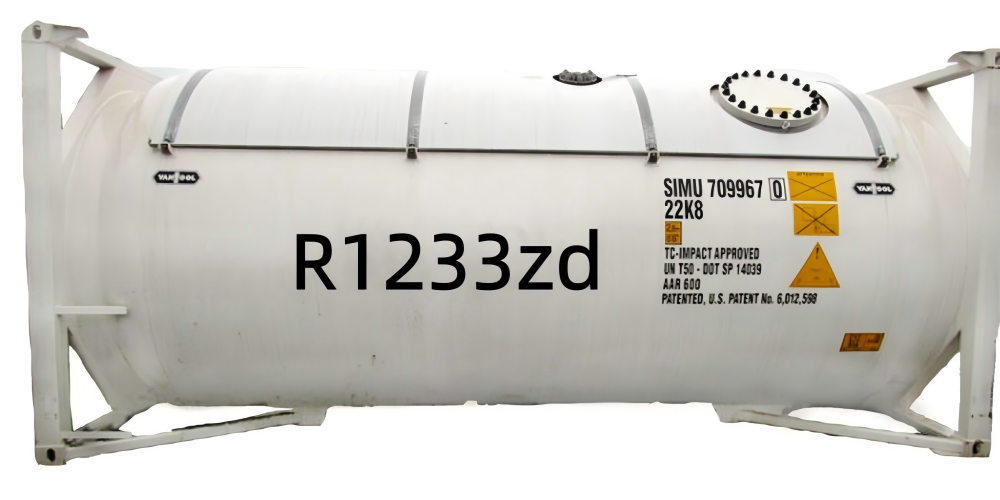
HFO-1233zd(LBA) is currently the most environmentally friendly, safe, and efficient blowing agent due to its extremely low global warming potential of ≈ 1, zero ozone depletion potential, and excellent foaming performance, making it the best alternative to HFC-245fa. Therefore, it has received significant attention.