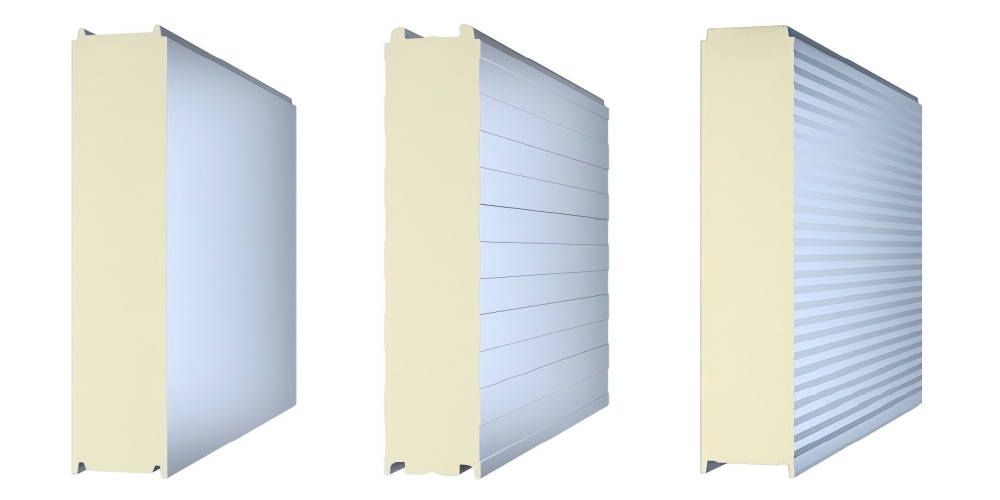
The Difference Between PIR and PUR Polyurethane Sandwich Panels
Nowadays, there’s a growing demand for polyurethane sandwich panels in the industrial system. They have excellent insulation performance when used in cold storage projects. Today, let’s talk about the differences between PIR and PUR polyurethane sandwich panels.
PIR
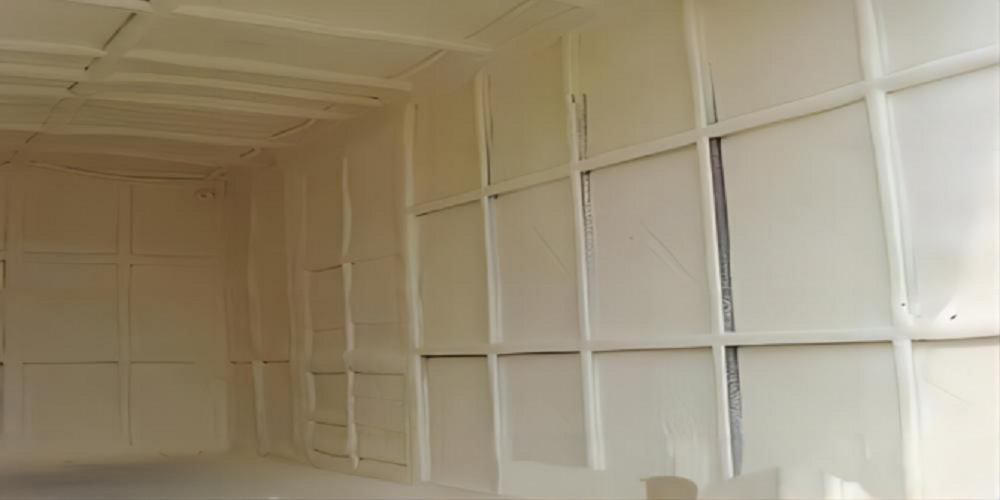
PIR, which stands for Polyisocyanurate Foam, is known in Chinese as '聚异三聚氰酸脂'. It's made by reacting isocyanates with polyether with the help of a catalyst to create a foamed material. Physically and in terms of fire resistance, it's better than regular polyurethane, making it an ideal organic insulation material for low temperatures. It has a low thermal conductivity, is lightweight and shockproof, and adapts well to different conditions. It's widely used in refineries, chemical plants, ethylene production, fertilizer production, cold storage, and building insulation.
PUR
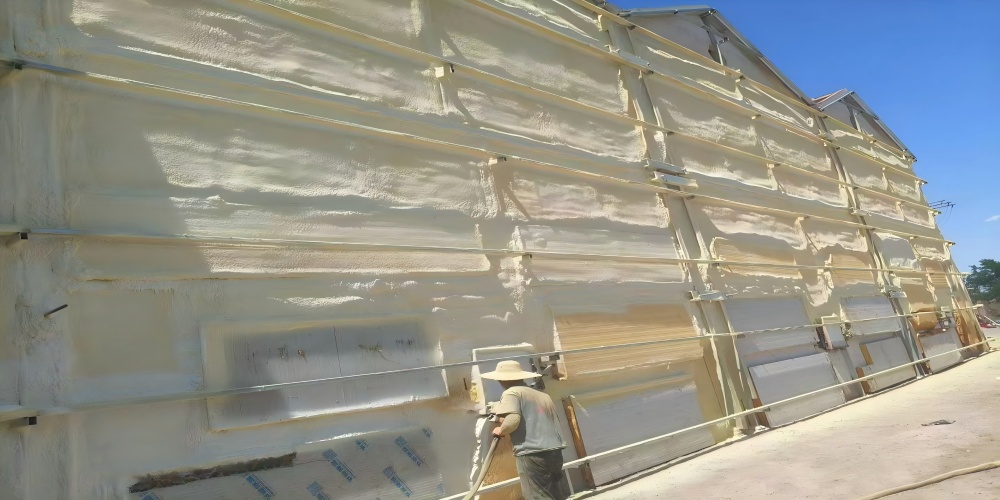
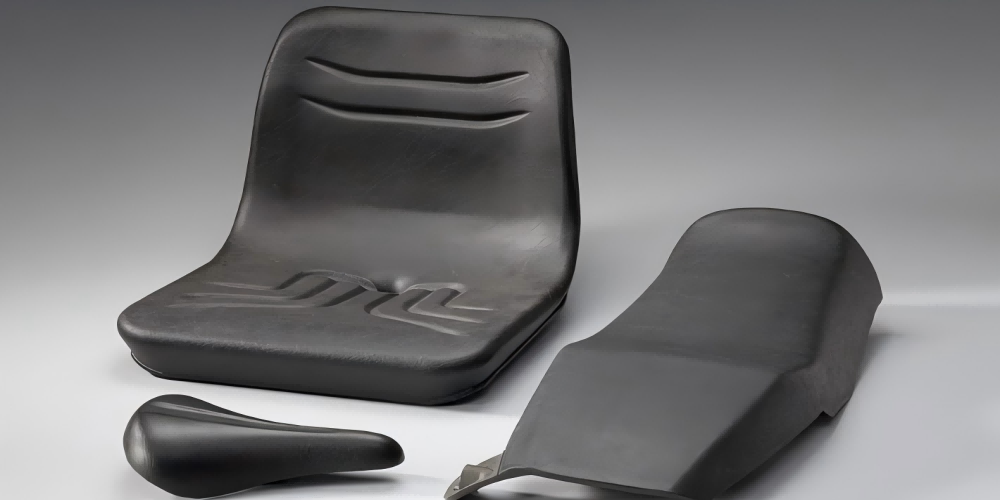
PUR, short for Polyurethane, is a polymer made from the reaction of isocyanates and polyols, featuring repeating urethane link units. It has excellent material properties and a wide range of uses, with many types of products, and PUR foam plastics being the most commonly used. PUR products are mainly divided into foamed and non-foamed types. Foamed products include soft, rigid, and semi-rigid PUR foam plastics, while non-foamed products include coatings, adhesives, synthetic leather, elastomers, and elastic fibers.
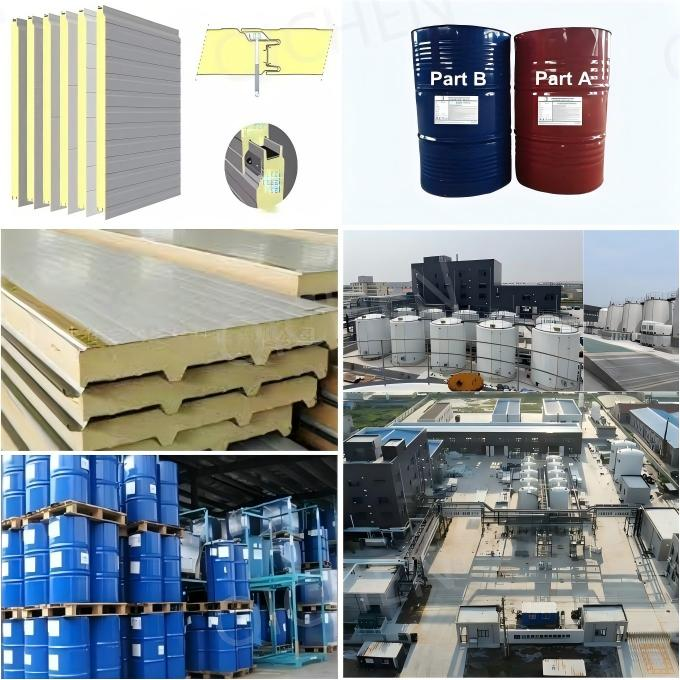
In recent years, Qichen has been focusing on developing and producing PUR and PIR panel blend polyol, especially making great progress in the field of two-component systems (blend Polyol with n-pentane/cyclopentane + Isocyanate). And the blend polyol has excellent insulation performance, is cost-effective, reduces air flow and solar heat, which lowers energy consumption and costs, cuts CO2 emissions, and reduces building energy use; it meets major global fire safety standards; it also has low VOC emissions, making it environmentally friendly and sustainable.