

ABOUT US

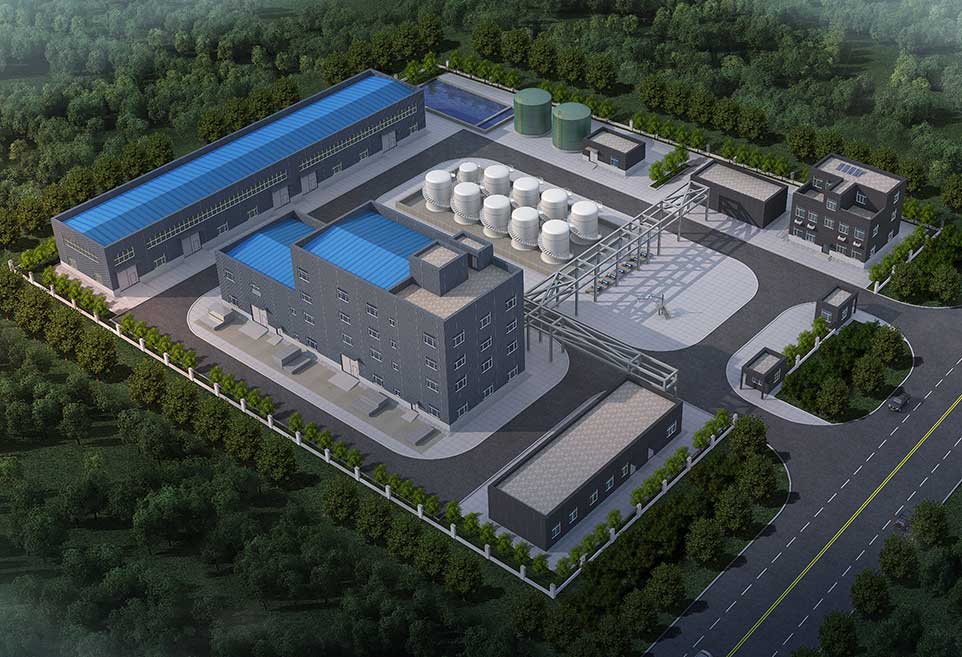
QICHEN's plant is located in Zhanhua District, Binzhou City, Shandong Province which is a large province of the chemical industry chain. This city comes with rich industrial support, such as advanced technical resources, abundant material supply, huge production and storage capacity, all of which are leading in China.

Contact Us

Why Choose Us

Qichen meet the needs of you with best cost-effective products ,convenient and feasible solutions.

Powerful Support

15,000㎡ for Binzhou plant. 30,000 tons annual output and 1,500m³ storage capacity. More than 6 branches and storage places in other cities of China.

Special Plant Location

Come with rich chemical industrial support chain. Technical resources, material supply, production& storage capacity, all of which are leading in China.

Strong Team with Solutions

More than 20 years chemical experiences for most management team members.Could provide integrated solutions & services for our end users.

2012

The company was founded in 2014

180

More than 180 solutions

30

More than 30 product categories

100

More than 100 Cooperative partners

Blogs

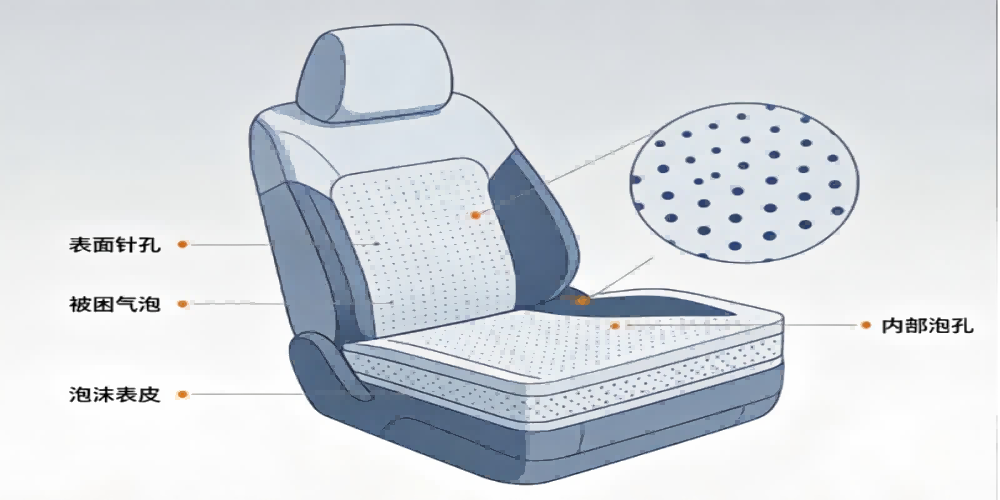
Tiny pinholes all over the car seat foam! What's going wrong?

During the production of car seat foam, tiny pinholes often appear on the surface, which is a common defect in the industry. This issue doesn’t affect the foam’s internal rebound, but it can ruin the smoothness of the surface, causing defects in later covering or painting processes, and directly lowering product yield. The main cause of pinholes is that the foam cures faster than the gases can escape, trapping air and reaction gases in the surface layer, which then harden into tiny holes. This usually happens at four key process points.

Addressing High Edge Core Density Differential in Continuous PU Sandwich Panels with Pentane Blowing System

In continuous production of polyurethane (PU) sandwich panels using pentane as the blowing agent, the foam density is never perfectly uniform across the width. The core (middle) and the edges (near the metal conveyor belts) naturally differ. Under normal conditions, an edgetocore density ratio of 1.1 – 1.2 is acceptable. However, when this ratio exceeds 1.3 (i.e., edges are 30% heavier than the core), serious quality issues arise – warping, waviness, edge delamination, and poor adhesion. So, why does this higherthannormal density differential occur, and what can we do about it?

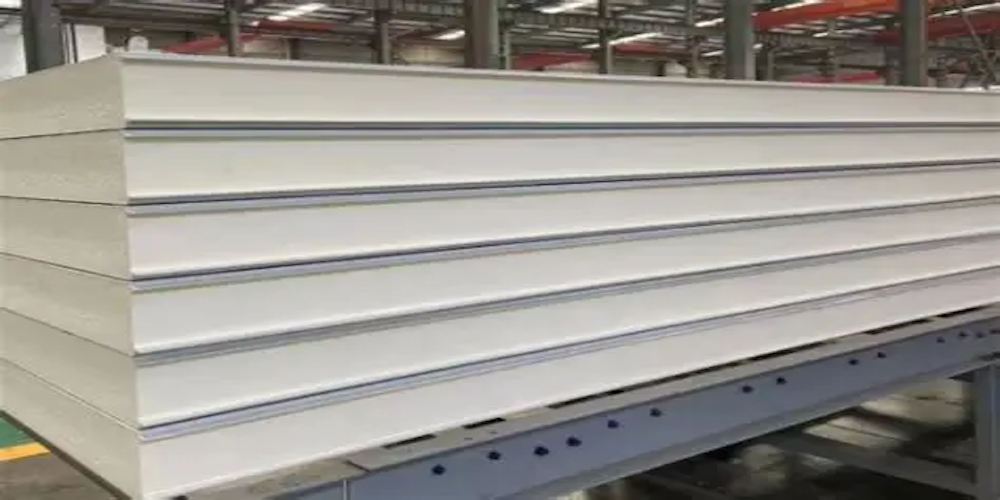
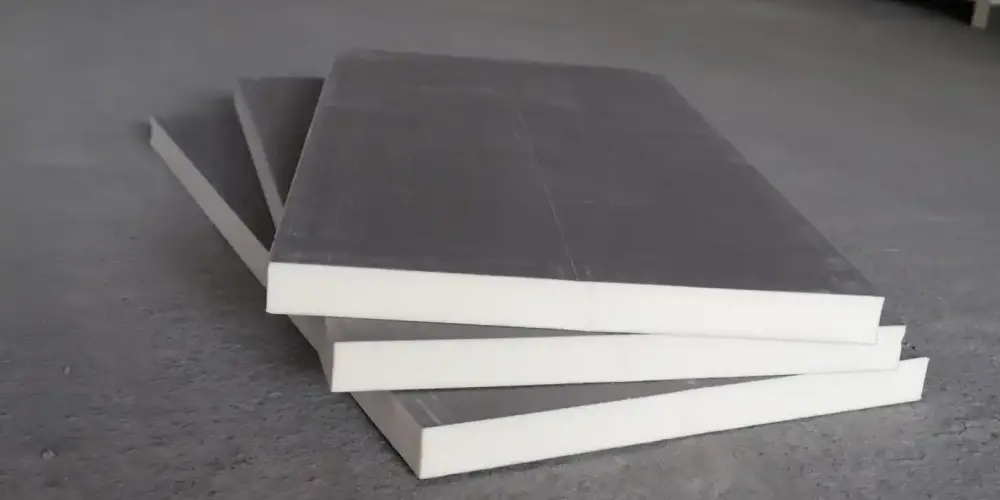
The Difference Between PIR and PUR Polyurethane Sandwich Panels

Nowadays, there’s a growing demand for polyurethane sandwich panels in the industrial system. They have excellent insulation performance when used in cold storage projects. Today, let’s talk about the differences between PIR and PUR polyurethane sandwich panels.